Ah Hua Fishing and Prawning at Neo Tiew Lane 2, Gallop Kranji Farm Resort (formerly D Kranji Resort) visit
Get link
Facebook
X
Pinterest
Email
Other Apps
I’ve always loved pole fishing ever since I tried it years ago at Pasir Ris Pro fishing pond (PRPP). Back then at the pole fishing pond, they stocked golden pomfret (kim chio), snappers, groupers, red drum (taiwan ngor) and even barramundi (KBL). So, when I heard that Ah Hua Fishing has a catch and keep pole fishing pond, I knew I just had to go and see for myself. It just took a few minutes to gather some kakis and we visited one weekday afternoon. In my heart, I knew, “where got so easy to land a lot of fishes one…”. But I suppose we convinced ourselves that even if have no fish, we could also do some prawning and have a good prawn BBQ dinner.
So fast forward to the trip… the first thing that we noticed when we arrived at Ah Hua Fishing and Prawning pond was that the water was crystal clear! We could see the fishes in the fishing pond clearly and even count how many there were. Likewise, for the prawning pond, we could see orange yabbies’, blue yabbies’ and blue mountain prawns all crawling around below. Well, I don’t know if it’s going to be this clear but clear water always signals that the pond operator/owner (Ah Hua) has nothing to hide since it would be pretty clear if there are fishes or prawns in the pond just by looking around.
Biao and David quickly collected the fishing rods from Ah Hua at the counter and we went to the fishing pond. We could see barramundi, patin, pacu, tilapia (black and red) in the pond and I suppose we were a little too complacent since we could see them. Even as I was filming, I expected bites instantly but that was not the case. Bites were hard to come by and the fishes were very smart and avoided our baits. That was when we sat down and just watched our floaters. Oddly though, that was when the bite rates improved. Biao and David managed to get a few tilapias in quick succession and hooked up with a couple of barramundis (we only landed one for dinner eventually). Oh well, I would have given anything to see them battle the huge patin and pacu in the pond! Still good fun though.
After fishing, we moved on to the prawning ponds and were pleasantly surprised that it was quite productive. The average time to get one prawn was definitely less than fie minutes. Take note that there are yabbies’ in the pond though. One thing I can tell you though that do not try the “spot the prawn and drop the bait there” thing. It didn’t really work at all and the prawns wouldn’t be interested. The usual techniques still work well.
After prawning, we then went to prepare the fish and some of the prawns for dinner. One observation was that the prawns here looked clean and vibrant. Experienced prawning folks will know – the bright colours on the prawns and bright orange/red/blue hues told us that the prawns were very health and I was not squeamish about eating them. The star of the show though, was the freshwater barramundi (KBL). It was a little unbelievable because it tasted as good or better than seawater ones. Of course, we had good seasoning with a mix of herbs (dill, garlic powder, salt, black pepper) and lemon for the BBQ but it was really sweet and the flesh was fairly firm (not the “hu-hu” kind of flesh that you expect from such fishes). It will probably also taste good if we foiled it up, added some ginger, soy sauce, Chinese wine and BBQ-steam the fish.
That brings us to the conclusion of our visit there. I’ve appended some tips in point form and all the other information that you may need before heading there. The verdict on Ah Hua Fishing and Prawning? Well, I’d definitely go there again!
Image summary of tips (if you want to send your friends)
Credit me ok?
Tips for pole fishing (Summary)
Use a variety of baits if the fishes aren’t responding to the house bait which is prawn meat. You can try live mollies or freshwater shrimps.
Water is very clear so any movement or walking around will scare fish since they can see you too. The best is to play around the middle, middle left or middle right, especially in dark corners. Be tactful!
Sit down and wait if the bite is not hot. This will calm the fish down and enable them to focus on the bait that is in the water.
Since the water is so clear, have a look and see if the pond is stocked up. If you see schools of barramundi in the pond, it should be good to go.
Tips for prawning (Summary)
Water is super clear but doing the see prawn here and put bait there really doesn’t do anything special. Save your energy better.
The usual techniques apply and looks like slowly dragging the bait works well too. Both prawning ponds have yabbies’ stocked in FYI so if you feel something very heavy, take the fight slowly and also read this tip.
Some corners of the pond have many mollies. They’ll nibble on your bait on the way down (especially if your'e using worms) so get your bait down quick.
There are many prawns in the pond and that means you will hit lots of small to medium ones. Be wary of hitting a big one though. That may catch you off guard!
Ah Hua Fishing and Prawning also has the below activities that you can try
Fish feeding of koi (they allow hand feeding and the pond is stocked with lots of koi) through handfed milk bottles. Very different from just throwing the fish feed and looking since there’s an element of touch involved. Quite a novel way of providing a child with the experience of touch.
Longkang fishing. This is a little small since it’s just a rectangular enlarged tank but seems more hygienic or safe since your child doesn’t need to like wade or stand around water.
Corporate bookings for teambuilding purposes for the prawning ponds. Prices are very competitive and there are some team building games built into the packages.
Note prawning cost is 1 hour $20, 3 hours $36 or $100 for 10 hours (limited to 2 rods per card). Fishing cost is 1 hour $25, additional hours $15. Koi feeding is 1 bottle/pack at $1.
Note by author: The fishing and prawning bite rates were not rigged in any way. We used the house bait they provided and the operator also did not release dozens of fish or kilograms of prawns for us. In other words, this catch report is not a kelong and bluff people one although we did seek Ah Hua’s permission to film the fun and work together for a giveaway contest.
This post is meant as a supplement to this Batu Pahat catch report . Information and pictures taken from #fishidlessonsbydavidho. Did you know that the Kurau and Senangin are totally different? This post aims to enable you to know the difference. Name and Terminology Kurau is known as Indian Giant Threadfin salmon/Kurau/黑午鱼/Orh Ngor Senangin is known as Blue Threadfin salmon/Senangin/白午鱼/Pek Ngor/Ngor Soon Eating Quality Kurau is known the more premium species and is a popular fish for maternity purposes as it is believed to boost milk supply for new mothers. It is rare and big sized fish are hard to come by these days. Generally costs more than Senangin. Senangin is less premium and is readily available in the market in various sizes. I have also seen that farming for it can be quite successful. Size Differences If you do a Google search, you will realise that both can grow quite big. However, this is not a good comparison as geographically, there are differe...
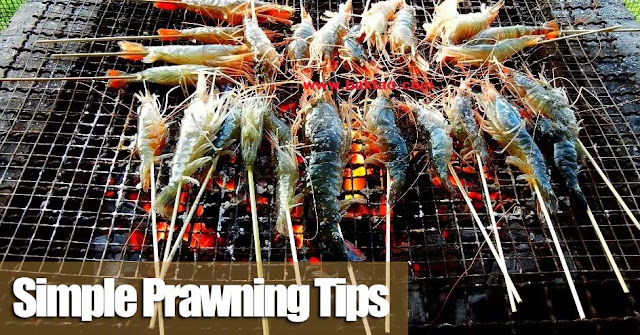
Foreword and Disclaimer My first encounter with prawning dated back to 2002. Back then, I hooked up my first prawn near the prawning ponds beside the Downtown East chalets at Pasir Ris. Back then, it was something like beginner's luck but after prawning for awhile, you'll realise that you will need skill as well as luck to have a good prawning catch. Through hard work and observation, I improved my prawning strategies and tactics and after some sessions of almost 70-80% hookup rate, I somewhat graduated from newbie stage to amateur stage. I would like to share with you guys some very basic prawning tips and trip. But a fair warning though. Prawning is addictive and it can only get worst once you get more prawns. When you are a newbie, you want to hook your first prawn...you want to get your first 10pcs... when you graduate you want to hit 30 in an hour...next is 50 in an hour... This post has since been updated and refreshed as of 25 March 2017. Prawning Equipmen...
Catches from Hook Me Up Fishing Pond. Photographs posted with permission from the pond owner. A new fishing pond in Singapore , Hook Me Up Fishing Pond, has opened at Punggol Marina Country Club. Also known as HookMe Up Fishing Paradise, the pond occupies the former Gills Fishing location at Punggol. This is welcome news for local anglers because there are not many fishing ponds left in Singapore. Supporting local pond operators helps to keep accessible fishing venues available for both new and experienced fishing kakis. Hook Me Up Fishing Pond Location and Opening Hours Name: Hook Me Up Fishing Pond Also known as: HookMe Up Fishing Paradise Location: Marina Country Club, Punggol Address: 11 Northshore Drive, Singapore 828670 Opening hours: Open 24 hours As the pond operates around the clock, anglers can visit for daytime, evening or overnight pond fishing. Contact...
Last updated: August 2026 Looking for fishing ponds in Singapore ? This guide lists saltwater pay ponds across Singapore, including their locations, contact numbers, opening hours, fishing rates and available pond types. Fishing pond rates and operating hours may change, so contact the operator or check its official social media page before visiting. For fishing pond operators: Contact Baktao to add a new fishing pond or update an existing listing. We are happy to keep this guide current for Singapore’s fishing kakis. Singapore Fishing and Prawning Guides Prawning pond locations in Singapore Beginner’s guide to prawning in Singapore Saltwater Fishing Ponds in Singapore Pasir Ris Park Fishing Pond (D’Best Fishing Singapore) Pond type: Saltwater fishing pond Location: Pasir Ris Town Park, near Pasir Ris MRT Address: 1 Pasir Ris Drive 1, Singapore 510001 Telephone: 6581 2123 Opening hours: Open 24 hours Website: D’Best Fishing Singapore Fishing Ponds...
Last updated: August 2026 Looking for prawning places in Singapore ? This guide lists prawning ponds across Singapore, including their addresses, contact numbers, available activities and latest known prawning rates. Typical prawning prices in Singapore are around $40 for three hours, although rates vary between operators. Some prawning ponds allow customers to store unused hours, share packages between two rods or purchase discounted multi-hour cards. Promotions, prices and opening hours may change. Check the operator’s official Facebook page or website before visiting. It is also worth checking recent reviews and catch reports for the latest conditions. For prawning pond operators: Contact Baktao to add a new venue or update an existing listing. We are happy to keep this guide updated for Singapore’s fishing and prawning kakis. Singapore Prawning and Fishing Guides Fishing pond and pay pond locations in Singapore Beginner’s guide to prawning in Singapore Prawni...
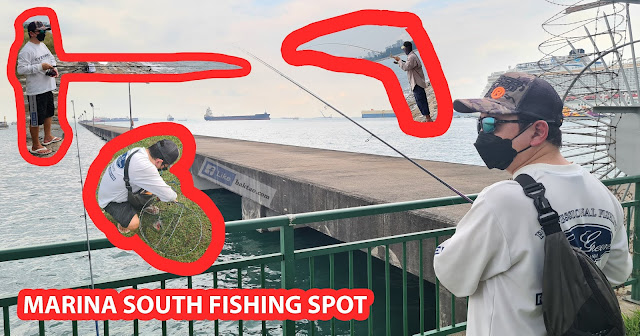
Marina South has always been a favourite fishing spot in Singapore. In the past, we would go settle our dinner at the Marina South buffet steamboat and then head off to the water breakers to crank deep diver lures. In fact, I remember a memory of having my popper being taxed from me one of those times we went luring there! Another fairly famous fishing spot were the freshwater ponds just next to the saltwater side. Quite a fair bit of haruan (snakehead) and tarpon in there! Ok back to the topic. I finally had time to go for a full recce of the Marina South fishing areas. It's quite amazing that there are no restrictions for fishing almost the entire Marina South coast and it makes shore casting, eging, ajing and microjigging so much more fun. We explored three spots today and I think we sort of regretted not bringing some bait... Below are some of the areas with Google map pins and what I think of the spots. Marina South Pier Fishing (Beside Marina Bay Fire Station) Google map: ht...
Looking for new prawning places in Singapore ? A few new prawning operators have recently appeared, although some have taken over existing prawning ponds that previously closed. Here are three prawning spots in Singapore that you can consider visiting in 2026: New Prawning Places in Singapore Fish@Woodleigh Prawning at Orto West Coast (Le West Den) Fish@Pasir Ris Have you visited any of these prawning ponds? Share your experience, the prawning rates and what you managed to catch in the comments below. Full List of Prawning Places in Singapore For more prawning locations, opening information and updates, refer to our complete guide: Complete List of Prawning Ponds and Pay Ponds in Singapore (updated 25 February 2026) Singapore Prawning Tips for Beginners New to prawning? These guides cover the basic techniques, equipment and tips that can help you catch more prawns and yabbies: Beginner’s Guide to Prawning in Singapore: Simple Tips and Techniques ...




Comments