Maldives Honeymoon Adventure 2018: Fishing, Resorts, Snorkelling, Diving and Island Homestays
Get link
Facebook
X
Pinterest
Email
Other Apps
The last time I went to the Maldives with Shawn, we experienced much of the culture and island life in one of the many local islands in the Maldives. We even spent the nights at a simple home-stay and ate local food. That experience was extremely refreshing since I always loved to discover the people behind the places I traveled to. I found out that there was so much more to the Maldives than just sun-tanned westerners lazing around in the beaches (and their drinks).
Can you put fishing into a honeymoon? Yes you can!
Fast forward to 2018, I was now married and appointed to be the chief organiser of our honeymoon trip to the Maldives. At first, I wanted it to be an all relaxing luxury stay at a secluded resort on an island in the Maldives. As time went by, I knew we would be bored after just a few days doing nothing in a resort (which some people argue is what exactly you should do in a honeymoon). After a little tinkering and searching around, I had the perfect answer - I would combine fishing, resorts, home-stays, snorkeling, diving, seaplanes transfers, ferry transfers all into a 10 days holiday. This would work out into a manageable budget since resort stay can range from a few hundred to a few thousand dollars a night. It was an extremely daring thing to pull off on a honeymoon trip but I managed to pull it off with Bakgal (my wife) and both of us really enjoyed the compact and slightly busy honeymoon.
An outline of my trip for couples that want to plan similar trips (the dates are estimates):
Day 1
Fly from Singapore Changi Airport to Male International Airport (Singapore Airlines)
Fly from Male International Airport to Dharavandhoo Domestic Airport at Baa Atoll (Maldivian Airlines)
Late Check-in to Hanifaru Transit Inn
Yep, Dharavandhoo Airport baggage claim was a lorry!
Honeymoon occasion
Lobsters! And yes, they prepared the fish that we caught daily...
The flight time from Male International Airport to Dharavandhoo Domestic Airport was about 30 minutes. Hanifaru Transit Inn is a home-stay in Dharavandhoo and is available for perhaps at a maximum of SGD$100 a night (fairly cheap since it is Maldives). It provides a clean room with air-con, hot water shower, full board meals and drinks. The key snorkeling point for Dharavandhoo is at the north-west of the island (near Aveyla Manta Village) but there's much dead coral there so I wouldn't really recommend it. If you are at the guesthouse, try to order spiny lobsters. We placed orders for some and were rewarded with two huge lobsters during one of the nights. They can prepare it for you the way you want it. Cost is USD$50 per kg. The ones you see here are about USD$100 in total. The lobster prices at the resorts are easily double or triple the price we paid at the home-stay so this is definitely recommended!
Day 2 to Day 5
Just some of the catches!
We chartered Seagal Sportfisher Maldives for a few days so that we could do fishing. The charter was flexible meaning that we could use it for dolphin watching, snorkeling or maybe even a beach picnic. Seagal Sportfisher Maldives is a business operated by a Singaporean agent (email me if you want the contact) so we were confident that it was reliable. During the few days, we had fun bringing up the various fishes of the Maldives with jigs and poppers. This arrangement is ideal if you have a husband that loves to go fishing. We also managed to chase some dolphins so it wasn't "all about fishing".
Conveniently located beside Dharavandhoo Harbour is the Dharavandhoo Divers Dive Shop!
Just a pesky octopus taken on one of the night dives attached here for fun,
Being a certified diver, I opted to take a few dives at Dharavandhoo Divers in Baa Atoll and the best thing about this arrangement was that it was free and easy. Trips are also daily (morning, afternoon and night dives) which means you don't need to stay on board. My wife followed sometimes and during the surface intervals, we did snorkeling or simple just enjoyed the boat cruise. This was the perfect way to recover from all the intense fishing the past few days. I even managed to film trevallies hunting some bait fish.
During the surface intervals, we would also go to visit the local shops on the island. The locals shops range from those that sell daily essentials (minimart, mama-shop kind), ice-cream shops (there was a shop at Dharavandhoo which sold Baskin Robbins Ice Cream), souvenir shops and eateries. The best thing to buy would be the local canned tuna which is a product of Maldives (the wife loved it so much and bought 40 cans). If you have to get a souvenir, Coral Boutique near the harbour is a shop which you can get some at very fair prices. We know because we spent a few hundred dollars there! The owner is also very friendly and will give you a free painting (painted by him) if you spend more than a certain amount.
For the diving photo log, you can click here to view the photos.
Day 7 to Day 11
Speedboat Ferry transfer from Dharavandhoo Harbour to Dhigufaru Island Resort, Baa Atoll
Just a few photos from Dhigufaru Resort
Yes bring your floats!
Yup taken at the jetty area!
The speedboat transfer was about an hour and 30 minutes. I thought it would be bumpy and rough but it was quite a pleasant journey and we even fell asleep! The transfer to the resort was very easy and there were staff waiting for us at the jetty on Dhigufaru Island Resort. We chose the semi water villa which meant we had direct access to the sea for snorkeling. There were a myriad of activities to do at the resort and special programmes as well. I won't go into detail here but here are my thoughts during the whole stay.
Snorkeling at most parts of the resort would be rather bleak as the water is too shallow and there are too many dead corals. You can overcome this by swimming far out to the drop-off points but they really are very far. The best alternative would be to start your snorkeling from the Dhigufaru jetty (go down the ladders) and snorkel along the drop-off there. It's pretty nearby and still does hold some interesting coral and fishes. There are schools of goatfish, garfish, pelagic, yellow snappers there and there are always resident orange/black boxfishes at the jetty. Since the area is teeming with brown stingrays, snorkeling the drop offs would also give you better visibility and experience.
In addition to the above point, most of the coral near the sea villas are bleached and dead due to global warming and tourism. If you are looking for a swim, the waters are excellent and crystal clear but if you are looking for some fish, then it's a little difficult. Keep your eyes open though, sandy terrain species are common here and I even spotted some flounders. One of the days also saw a baby black tip reef shark swim by.
Every afternoon, about a dozen or so brown stingrays come to the beach near the jetty to feed. This is because the resort feeds them very often and it has become a daily routite. While the stingrays are not aggressive, always be cautious when taking photos with them. I would suggest just patting them quickly by the water's edge to get a shot or just get a shot without touching them is the best. If you insist on going into the water, try to get to a deeper area and observe from the top and don't make sudden movements.
Dhigufaru Island Resort is quite a new resort and only in existence for about 2 years. Most facilities are new and well maintained.
A complimentary water sports activity would be kayaking. There are double and single kayaks so give it a try.
Breakfast, lunch and dinner consists of an international buffet spread. While the spread was alright, the taste and quality was average. This was probably due to the need to import so many of the ingredients.
The resort has complimentary BBQ nights where they set the table out on the sand and it's BBQ buffet. Same point as above - pretty average quality and taste.
Bring floats to the water. We brought Pizza and Pineapple floats and it provided good fun for quite awhile.
Hermit crabs and geckos are everywhere. Don't step on them.
Diving and fishing trips are available at the resort but it is rather pricey.
Wines were surprising quite cheap and costs about the same as a beer or soft drink. Order a bottle if you're feeling a drink.
Day 11
Fly from Dhigufaru Island Resort, Baa Atoll to Male International Airport (Transmaldivian Airways)
Fly from Male International Airport to Singapore Changi Airport (Singapore Airlines)
The "romantic" seaplane
After a few days at the resort we took a Seaplane (Transmaldivian Airways) from the resort back to Male International Airport. The journey was around 45 minutes and it was really spectacular to observe the atolls from seaplane angle. The seaplane ride was quite bad though since it was very hot and cramped. It wasn't romantic as most people put it but it was quite special.
That's all for my Maldives Honeymoon Adventure! Note that this post merely serves as a trip schedule guide for those interested. I have appended useful links and the fishing trip report below.
This post is meant as a supplement to this Batu Pahat catch report . Information and pictures taken from #fishidlessonsbydavidho. Did you know that the Kurau and Senangin are totally different? This post aims to enable you to know the difference. Name and Terminology Kurau is known as Indian Giant Threadfin salmon/Kurau/黑午鱼/Orh Ngor Senangin is known as Blue Threadfin salmon/Senangin/白午鱼/Pek Ngor/Ngor Soon Eating Quality Kurau is known the more premium species and is a popular fish for maternity purposes as it is believed to boost milk supply for new mothers. It is rare and big sized fish are hard to come by these days. Generally costs more than Senangin. Senangin is less premium and is readily available in the market in various sizes. I have also seen that farming for it can be quite successful. Size Differences If you do a Google search, you will realise that both can grow quite big. However, this is not a good comparison as geographically, there are differe...
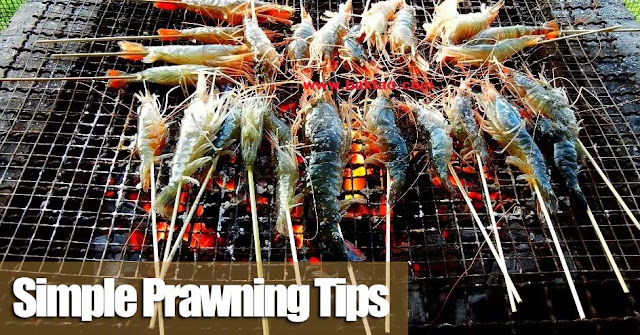
Foreword and Disclaimer My first encounter with prawning dated back to 2002. Back then, I hooked up my first prawn near the prawning ponds beside the Downtown East chalets at Pasir Ris. Back then, it was something like beginner's luck but after prawning for awhile, you'll realise that you will need skill as well as luck to have a good prawning catch. Through hard work and observation, I improved my prawning strategies and tactics and after some sessions of almost 70-80% hookup rate, I somewhat graduated from newbie stage to amateur stage. I would like to share with you guys some very basic prawning tips and trip. But a fair warning though. Prawning is addictive and it can only get worst once you get more prawns. When you are a newbie, you want to hook your first prawn...you want to get your first 10pcs... when you graduate you want to hit 30 in an hour...next is 50 in an hour... This post has since been updated and refreshed as of 25 March 2017. Prawning Equipmen...
Catches from Hook Me Up Fishing Pond. Photographs posted with permission from the pond owner. A new fishing pond in Singapore , Hook Me Up Fishing Pond, has opened at Punggol Marina Country Club. Also known as HookMe Up Fishing Paradise, the pond occupies the former Gills Fishing location at Punggol. This is welcome news for local anglers because there are not many fishing ponds left in Singapore. Supporting local pond operators helps to keep accessible fishing venues available for both new and experienced fishing kakis. Hook Me Up Fishing Pond Location and Opening Hours Name: Hook Me Up Fishing Pond Also known as: HookMe Up Fishing Paradise Location: Marina Country Club, Punggol Address: 11 Northshore Drive, Singapore 828670 Opening hours: Open 24 hours As the pond operates around the clock, anglers can visit for daytime, evening or overnight pond fishing. Contact...
Last updated: August 2026 Looking for fishing ponds in Singapore ? This guide lists saltwater pay ponds across Singapore, including their locations, contact numbers, opening hours, fishing rates and available pond types. Fishing pond rates and operating hours may change, so contact the operator or check its official social media page before visiting. For fishing pond operators: Contact Baktao to add a new fishing pond or update an existing listing. We are happy to keep this guide current for Singapore’s fishing kakis. Singapore Fishing and Prawning Guides Prawning pond locations in Singapore Beginner’s guide to prawning in Singapore Saltwater Fishing Ponds in Singapore Pasir Ris Park Fishing Pond (D’Best Fishing Singapore) Pond type: Saltwater fishing pond Location: Pasir Ris Town Park, near Pasir Ris MRT Address: 1 Pasir Ris Drive 1, Singapore 510001 Telephone: 6581 2123 Opening hours: Open 24 hours Website: D’Best Fishing Singapore Fishing Ponds...
Last updated: August 2026 Looking for prawning places in Singapore ? This guide lists prawning ponds across Singapore, including their addresses, contact numbers, available activities and latest known prawning rates. Typical prawning prices in Singapore are around $40 for three hours, although rates vary between operators. Some prawning ponds allow customers to store unused hours, share packages between two rods or purchase discounted multi-hour cards. Promotions, prices and opening hours may change. Check the operator’s official Facebook page or website before visiting. It is also worth checking recent reviews and catch reports for the latest conditions. For prawning pond operators: Contact Baktao to add a new venue or update an existing listing. We are happy to keep this guide updated for Singapore’s fishing and prawning kakis. Singapore Prawning and Fishing Guides Fishing pond and pay pond locations in Singapore Beginner’s guide to prawning in Singapore Prawni...
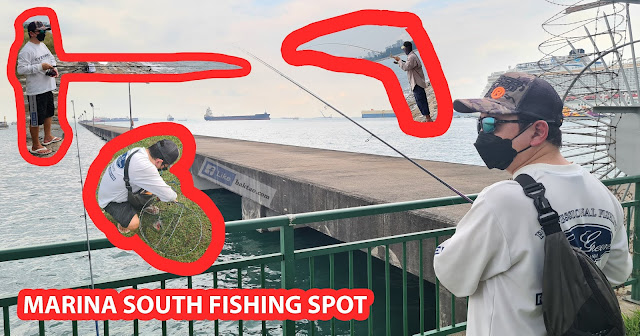
Marina South has always been a favourite fishing spot in Singapore. In the past, we would go settle our dinner at the Marina South buffet steamboat and then head off to the water breakers to crank deep diver lures. In fact, I remember a memory of having my popper being taxed from me one of those times we went luring there! Another fairly famous fishing spot were the freshwater ponds just next to the saltwater side. Quite a fair bit of haruan (snakehead) and tarpon in there! Ok back to the topic. I finally had time to go for a full recce of the Marina South fishing areas. It's quite amazing that there are no restrictions for fishing almost the entire Marina South coast and it makes shore casting, eging, ajing and microjigging so much more fun. We explored three spots today and I think we sort of regretted not bringing some bait... Below are some of the areas with Google map pins and what I think of the spots. Marina South Pier Fishing (Beside Marina Bay Fire Station) Google map: ht...
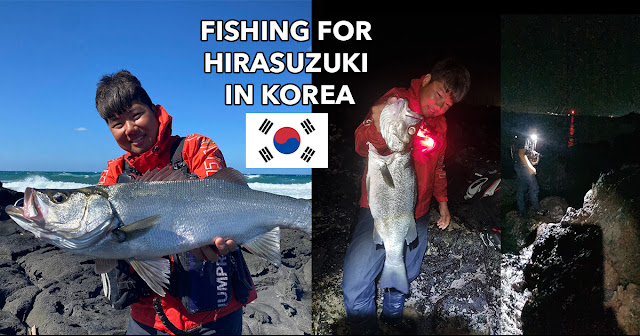
Our hirasuzuki fishing experience on Jeju Island, South Korea. I never imagined that I would go fishing in Korea. When the opportunity to fit some fishing into our Jeju family holiday appeared, I could not say no. The goal was to catch and eat hirasuzuki, commonly known in English as blackfin seabass. I had heard mixed opinions about its fighting ability, but I was extremely curious about how a wild Korean hirasuzuki would taste. To make the trip possible, I engaged Hyunwook, also known as Duke, as my fishing guide in Jeju . He speaks English, knows the local shore fishing locations and provided the equipment needed for the trip. Jeju Hirasuzuki Fishing Trip Details Location: Jeju Island, South Korea Fishing base: Seogwipo Main target: Hirasuzuki, or blackfin seabass Fishing style: Night shore luring and rock fishing Guide: Hyunwook, also known as Duke Equipment: Provided by the fishing guide Trip type: Fishing experience during a family holiday C...





Comments